قیمت روزانه قارچ، پخش قارچ، توزیع قارچ، تهران، فروش قارچ، خرید قارچ
امروز 3 آذر 1395
برای اطلاع از قیمت روز قارچ از انجمن پرورش دهندگان قارچ خوراکی اینجا کلیک کنید
قیمت روز قارچ دکمه ای
پخش و توزیع عمده و خرده روزانه قارچ دکمه ای در سراسر تهران به قیمت کارخانه
آماده همکاری با رستوران ها، فست فودها، مراکز تره بار، هایپرمارکت ها و سوپرمارکت ها و ....
ویزیتورهای محترم تماس نگیرند لطفا.
پخش قارچ ، پخش قارچ دکمه ای در تهران، پخش قارچ در تهران
تحویل از کارخانه: قارچ دکمه ای فله هر کیلو درجه ۱ به قیمت 5700 تا 6200
تحویل از کارخانه: قارچ دکمه ای فله هر کیلو درجه ۲ به قیمت 4700
تحویل از کارخانه: قارچ دکمه ای فله هر کیلو درجه ۳ به قیمت 4000
تحویل از عمده فروش (ویزیتور): قارچ دکمه ای فله هر کیلو درجه ۱ به قیمت 6500
تحویل از عمده فروش (ویزیتور): قارچ دکمه ای فله هر کیلو درجه ۲به قیمت 5500
تحویل از عمده فروش (ویزیتور): قارچ دکمه ای فله هر کیلو درجه ۳ به قیمت 5000
فروش مغازه: قارچ دکمه ای فله هر کیلو درجه ۱ به قیمت 6800 تا 7000
فروش مغازه: قارچ دکمه ای فله هر کیلو درجه ۲ به قیمت 6500
فروش مغازه: قارچ دکمه ای فله هر کیلو درجه ۳ به قیمت 5500
قیمت روز قارچ صدفی
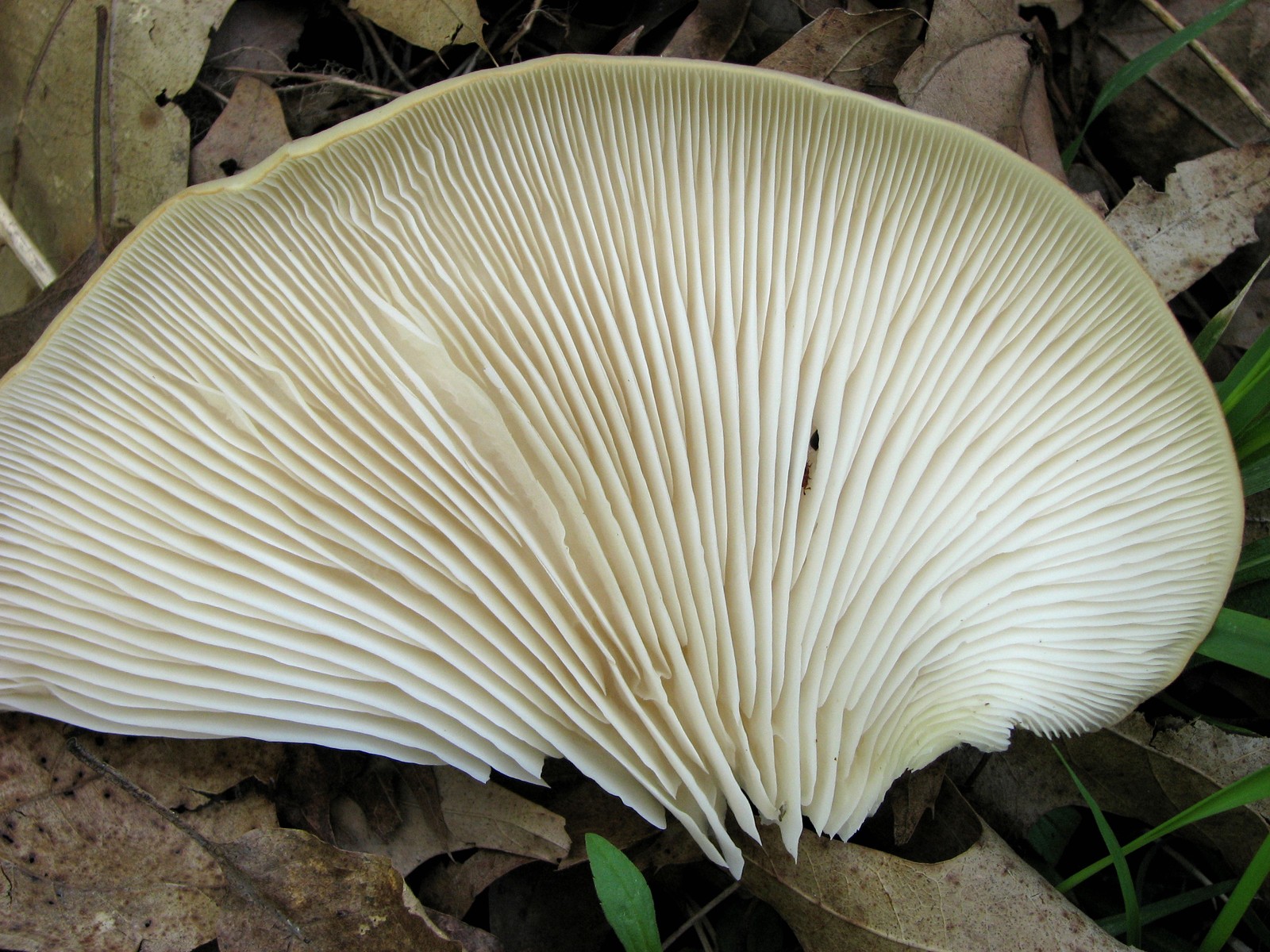
تحویل از کارخانه: قارچ صدفی فله هر کیلو درجه ۱ به قیمت 7000 تا 7500
تحویل از کارخانه: قارچ صدفی فله هر کیلو درجه ۲ به قیمت 6000
تحویل از کارخانه: قارچ صدفی بسته 200 گرمی به قیمت 2600 تومان
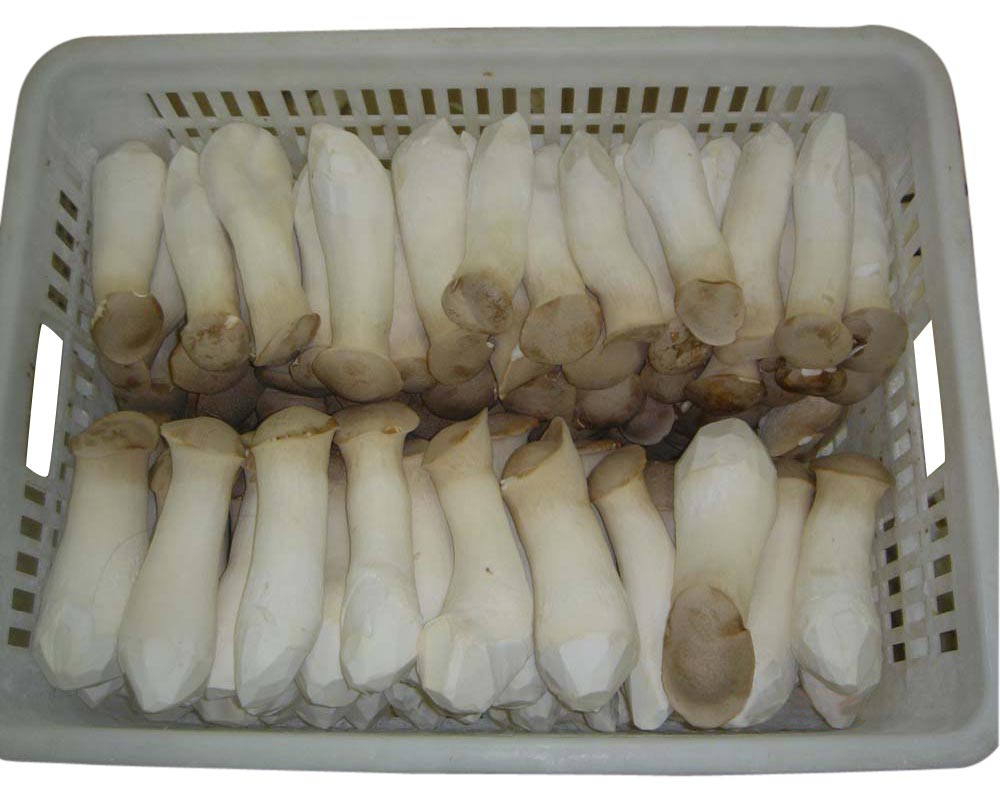
قیمت روز شاه صدف
قیمت قارچ شیتاکه

قیمت قارچ شیتاکه تازه: هر کیلو 20تا50 هزار تومان
شی تاکه خشک (وزن ده برابر سبکتر نسبت به تازه می شود.) هر کیلو 200 تا 500 تومن
تلفن رزرو از طریق تلگرام: 09335891646
سلام مهندس
میخام بزنم توی کار قارچ .
کدوم تولید کننده کمپوست توی مشهد خوبه ؟ اگه اطلاع دارین
قیمت ها سال 92 هستش قیمتای مهر 94 چند هست بی زحمت بذارید توی سایت
برای اطلاع از قیمت روز قارچ از انجمن پرورش دهندگان قارچ خوراکی اینجا کلیک کنید
:: موضوعات مرتبط:
قیمت روزانه قارچ
:: برچسبها:
قیمت روزانه قارچ
مقاله ۲۰۱۸: بیماری کپک سبز قارچ گانودرما
First Report of Trichoderma longibrachiatum Causing Green Mold Disease on Ganoderma lingzhi
Ganoderma lingzhi is a valuable herbal medicine in Asia. It is mostly cultivated in China, Japan, and South Korea. It is mainly used for prevention and treatment of nephritis, hypertension, and bronchitis, and it has antitumor properties (Nie et al. 2013; Paterson 2006; Wu et al. 2011). In 2015, the planting area of G. lingzhi was 100 million square meters in China (Jin et al. 2016). In the spring of 2015, rot disease symptoms were observed on the fruiting bodies of G. lingzhi with incidence of over 40% at the farm of Fushun city, Liaoning province, China. The main symptoms were spider-reticulated white mycelium under the G. lingzhi cap and green rot on the stipe. The disease was most severe during the sporulation of G. lingzhi. To isolate the disease-causing organism, fruiting bodies from the farm were surface sterilized in 75% ethanol for 30 s, washed three times with sterile distilled water, and cultured on potato dextrose agar. The Petri dish was covered by the purified mycelium, which was white arachnoid in 3 days. After 7 days, the gray-green conidia clustered into a gray-green heap, forming a pustular structure. Conidiophores unsymmetrical, Trichoderma-like, composing a conspicuous main axis with short side branches or phialides, branches unpaired. Phialides most solitary, 2.4 to 5.0 × 9.5 to 16 μm, 1.2 to 3.1 μm wide at the base. Conidia gray-green, smooth, elliptical, 2.8 to 5.0 × 2.0 to 2.5 μm. The morphological characteristics of isolate fungus were consistent with Trichoderma longibrachiatum (Wu et al. 2008). The rDNA internal transcribed spacer (ITS) and TEF1-α gene region were amplified (Carbone et al. 1999) and sequenced using ITS1/ITS4 and EF1-595F/EF1-1160R primers. As the BLAST analysis revealed, the amplified products (GenBank accession nos. MG894396 and MH348179, respectively) were found to be 100% identical with T. longibrachiatum. In the pathogenicity test, the inner surface of the G. lingzhi grown for 7 days was wiped with sterilized cotton soaked with the spores (1 × 10⁶ conidia/ml) of the isolated strain. Sterile distilled water was applied as a negative control treatment. All treatments were carried out at 25°C and 85 to 90% humidity in the greenhouse. After 10 days, the white mycelium mantled the inner surface of fruiting bodies of G. lingzhi, forming gray-green colonies that caused green rot on the stipe. No symptoms were observed on the control, inoculated with sterile distilled water. The pathogen was reisolated from diseased issues as the method previously described, but not from controls. Based on morphological identification, molecular identification, and the pathogenicity assay, the pathogen was identified as T. longibrachiatum. T. longibrachiatum was reported to cause mold diseases in oyster mushroom (Choi et al. 2003). To our knowledge, this is the first report of T. longibrachiatum causing green rot disease on G. lingzhi. In view of the considerable impact of T. longibrachiatum on G. lingzhi, appropriate measures should be applied to prevent and control this disease.
:: موضوعات مرتبط:
مقالات آموزشی قارچ
:: برچسبها:
کپک سبز قارچ گانودرما
مقاله ۲۰۲۰: کمپوست مصرف شده قارچ گانودرما برای جذب عناصر سنگین آب
Spent Ganoderma lucidum substrate derived biochar as a new bio-adsorbent for Pb2+/Cd2+ removal in water
Highlights
Spent Ganoderma lucidum substrate derived biochars (SLBCS) were effective for removal of Pb2+ and Cd2+ in water.
•Pyrolytic temperatures dramatically impacted the physicochemical properties of SLBCS.
•SLBC made at 650 °C (SL650) had a high sorption capacity for Pb2+ and Cd2+.
•Precipitation with carbonates minerals mechanisms dominated Pb2+ sorption on SL650.
•Cd2+ sorption mechanisms on SL650 primarily involved the precipitation and coordination with π electrons.
Abstract
The present study firstly reports spent Ganoderma lucidum substrate derived biochars (SLBCS) for the effective removal of Pb2+/Cd2+ from water. The effects of pyrolysis temperature on the SLBCS characteristics and Pb2+/Cd2+ adsorption mechanism was studied systematically. The surface physicochemical properties of SLBCS were significantly affected by the pyrolysis temperature. The increase in pyrolysis temperature from 250 to 650 °C resulted in a drastic increase in the biochar surface area and the well development of mesoporous structure, which could provide more effective adsorption sites for Pb2+ and Cd2+ onto SLBCS. According to the Langmuir model, the obtained maximum adsorption capacity of Pb2+ onto SL650 reached 262.76 mg g−1, while that of Cd2+ reached 75.82 mg g−1. The adsorption capacities of SL650 for Pb2+ and Cd2+ were even higher than that of other modified biochars. The high adsorption capacity of SL650 for Pb2+, attributed to the precipitation supported by high temperature, benefitted the formation of carbonate minerals. Two possible mechanisms involved in Cd2+ sorption: carbonate precipitation and coordination with π electrons. Desorption of SL650 showed high efficiency for Pb2+, but slightly low efficiency for Cd2+. These results indicate that SL650 can be applied for removing heavy metals, especially Pb2+, from polluted water.
:: موضوعات مرتبط:
مقالات آموزشی قارچ
:: برچسبها:
مقاله ۲۰۲۰


