|
|
|
مقاله ۲۰۱۲: مدیریت کپک های رقیب و بیماری ها در قارچ خوراکی وولواریلا
Management of competitor moulds and diseases in paddy straw mushroom (Volvariella volvacea) beds.
Survey conducted in the paddy straw mushroom (Volvariella voivacea) farms in the east and southeastern coastal plain of Odisha during the summer season of 2010 indicated the highest (37%) bed contamination with Coprinus spp., the ink caps. Besides, sporadic appearance of Aspergillus niger, Aspergillus flavus, Mucor sp., Penicillium sp., Rhizopus sp., Sclerotium rolfsii and Trichoderma sp. were observed. Bacterial button rot was observed in 11 per cent beds. The effect of different physical, chemical and biological agents on the incidence of competitor fungi and button rot disease evaluated in the growing room of Centre of Tropical Mushroom Research and Training, OUAT, Bhubaneswar revealed that pre soaking of substrate with 2 per cent calcium carbonate was significantly superior in yielding 1016.67 g/bed with biological efficiency of 14.52 per cent followed by spraying of 2 per cent neem leaf extract after raising beds that yielded 946.67 g/bed with biological efficiency of 13.52 per cent with low severity of competitor moulds in both the treatments.
:: موضوعات مرتبط:
مقالات آموزشی قارچ
:: برچسبها:
مقاله ۲۰۱۲,
مدیریت کپک های رقیب و بیماری ها در قارچ خوراکی وول
ن : دکتر ولی اله مهدیزاده
ت : یکشنبه بیست و یکم خرداد ۱۳۹۱
|
|
مقاله ۲۰۱۲: فاکتور های تاثیر گذار فیزیکو شیمیایی کمپوست بر روی عملکرد قارچ دکمه ای
به ادامه مطلب مراجعه نمایید
:: موضوعات مرتبط:
مقالات آموزشی قارچ
:: برچسبها:
مقاله ۲۰۱۲,
فاکتور های تاثیر گذار فیزیکو شمیایی کمپوست بر روی
ن : دکتر ولی اله مهدیزاده
ت : یکشنبه بیست و یکم خرداد ۱۳۹۱
|
|
ترانسفورم ژنتیکی قارچ های خوراکی
The Genetic Transformation Of Mushrooms
Peter Flegg
Arousing Strong Feelings
A subject guaranteed to arouse strong feelings is that of genetically modified crops. A good starting point for us perhaps, is that, at present, there are no genetically modified mushroom strains commercially available. It is, however, very likely that at some time in the not too distant future there could be. Several research groups are working in that direction and recent progress, after a slow start, has been encouragingly rapid. So marked has been the progress in the past few months that several international mushrom journals have carried articles explaining what is meant by genetic transformation and discussing the possible benefits and dangers.
What is genetic transformation?
Genetic transformation involves transferring genes both within species and between different species and differs from the mixing of genes that occurs normally during sexual reproduction. It can dramatically speed up the production of new strains or varieties. Terms such as 'genetic engineering', 'genetic modification' and 'recombinant DNA technology' are also used to describe the process. The products of the use of this technology are called 'genetically modified organisms' or 'GMOs'. One of those articles I referred to in the last July issue, that by Horgan and Castle in Mushroom News (No 48 (7)) and which had been presented at the 1999 North American mushroom Conference, gave seven crops as being on the Canadian list of approved GM plants including corn, potatoes and tomatoes. It also presented a table of nearly seventy ornamental plants, trees and fungi that were, at the time, being trialled for later production. It pointed out also that more than half of those in their list was of lesser commercial value than the cultivated mushroom. Another article (Webster, The Spawn Run, December 2000) recorded that in South Africa there have been over one hundred field trials and that, now, two GM crops are permitted and grown. They are insect-resistant yellow maize and insect-resistant cotton.
Why the delay with mushrooms?
If so many crops have GM strains or varieties approved for cultivation and, indeed, making up significant proportions of the total acreage grown in North America, why are there no GM mushroom strains? Well, you can be sure that it is not because mushroom geneticists and breeders have been dragging their feet. Surely, the recent article by Anton Sonnenberg (Mushroom Journal No. 608) should have disproved that idea. No doubt about it, the mushroom, Agaricus bisporus, is a difficult organism to work with. I didn't have to be told that, I learnt it over many years of research experience, but it is not difficult to find similar expressions of frustration in the literature. For example, the first sentence of the first paper in Mushroom Science 14, the Proceedings of the International Congress held in Oxford, 1995, reads 'Agaricus bisporus has gained a reputation as a difficult organism to manipulate through breeding'. The paper is by Loftus, Lodder and Legg of the Amycel/SpawnMate Bio Technical Group Research Laboratory in California and is a review of mushroom breeding in the mid 1990s. Among other developments, they record that transformation techniques used with other fungi are being adapted for use by the mushroom scientists and report a Dutch claim of A. bisporus having being transformed. Mushroom Science 14 also includes a paper by Elliott and colleagues from HRI and Cranfield University on the use of a compressed air gun as a means of delivering transforming DNA to mushroom cells.
Transformations: one achieved – another needed.
Five years on and it appears that the promise of really new and much improved mushroom strains is a real possibility. Sonnenberg in his keynote address to the 15th International Congress in Maastricht last year (Mushroom Science 15 and Mushroom Journal No. 608) reviewed recent developments in genetics and breeding of A. bisporus and concluded that all the prerequisites for the development of new strains have now been met. He does warn, though, that some time may yet occur between the promise of a 'soon release' of new strains and their actual appearance on the market. Among the prerequisites listed by Sonnenberg is efficient breeding methods, or 'tools to do the job', and among these he includes genetic transformation. He goes on to point to another paper presented at that Congress by himself and his colleagues, (Mikosch, Lavrijssen, Sonnenberg and Van Griensven) which describes a system based on the use of a common soil bacterium and plant pathogen, Agrobacterium tumefaciens, which they have developed with an efficient method of transforming the mycelium of A. bisporus. Also at the same Congress, HRI scientists (Challen et al., Mushroom Science 15) discussed their experiments on transforming A. bisporus, including the use of Agrobacterium tumefaciens, and concluded that, while other systems have proved unreliable, the one based on A. tumefaciens yielded stable transformants. As those who attended the HRI Mushroom Day a few months later learned, work on developing that transformation system is progessing well. At last we are on our way. A powerful biological tool is now available to mushroom geneticists and breeders. However, reaching this far has proved difficult enough, gaining acceptance of the consumer of GM mushrooms could be no less difficult. A transformation of customer perception may be needed.
The good news
As no GM mushroom strains yet exist, for the benefits from the new technology we have, initially at least, to look at what has happened with those other crops. Among the claimed benefits listed by Horgan and Castle (Mushroom News No. 38(7)) and Webster (The Spawn Run, December 2000) are pest and disease resistant crops and drought tolerance so reducing production costs and increasing the economic yield. Both articles point out that many of the benefits relate to crop producers and processors, but some consumer benefits are mentioned such as delayed ripening of tomatoes with enhanced flavour and crops with improved fat composition for healthier eating. Webster, writing about South African conditions, draws attention to major benefits for crop producers in developing countries helping the economic growth of small-scale producers and increasing the food supply for the population. Also mentioned is the possibility of using GM technology as a research tool to study the biology of the mushroom. New strains need not necessarily be an outcome of this work, but we could discover the function of some mushroom genes of which, at present we are completely in the dark. This point is particularly emphasised by Sonnenberg. Other possible and promised benefits which might accrue to the mushroom industry include, not surprisingly, pest and disease resistance and more efficient use of compost by the mushroom. Eyebrow-raising possibilities for use in niche markets are mushroom strains that are garlic flavoured or even almond flavoured! At this stage of things it looks as though listing possible attributes of new mushroom strains is just another version of 'think of a number'.
The other side of the coin
The articles by Sonnenberg, by Horgan and Castle, and by Webster all recognise the opposition to GM foods, which exists among much of the general public. Horgan and Castle explain that worldwide there is a considerable variation. In 1999 the United Nations drafted a Biosafety Protocol which included the transfer, handling and use of 'living modified organisms'. Two main groups of countries seem to have emerged. One group including USA, Canada, Australia, Uruguay, Argentina and Chile supports the development and use of GM plants whereas China and many developing countries are opposed to the idea. EU countries generally, they report, have sided with the opposition. At this point it is only fair to point out that the UK-based HRI, partially funded by the government money, issued a statement recently declaring that it supports GM technologies and, while recognising the benefits and potential risks, is looking to maximise the benefits and eliminate the risks. Dutch scientists are also in the fore-front of work on GM mushrooms. It seems more than likely that the 'for and against' situation is much more complicated than 'some countries for and some against'! Horgan and Castle also tell us that there appear to be two main areas of concern, that of dangers to human health and that of threats to the environment. There are fears that the escape of genetically engineered traits will escape into weeds and there will be reduction in biodiversity and organically grown crops will be compromised.
What about the Consumer?
Sonnenberg points out that consumer acceptance of GM products is not helped by the general perception that the benefits accruing from the use of such crops are mainly for the crop producers and processors. The consumer seems to be gaining very little directly. Thinking about it briefly, 'buy this product it is going to make me rich,' does not seem to be a very appealing slogan to the customer. In similar vein Horgan and Castle pose the question, 'why is genetic engineering more widely accepted in medicine than it is in agriculture?' While accepting that the answer is complex, they suggest that one important fact or is that the main beneficiary is seen to be the consumer – the patient. There is probably a message there. It seems that we have passed the stage at which the question 'who is right?' is relevant. Those who wish to further the cause of GM crops need, perhaps, to realise those words of reassurance, however soundly-based, are unlikely to convince. We have, after all, had too many food scares in recent years. It is important that all concerns, justified or otherwise, are addressed seriously, effectively, patiently and sympathetically. It is no good going on about 'emotive issues and media hysteria,' If the benefits from the use of GM crops are going to be as good as some claim, it has surely got to be worth the effort to confront the problems and to persuade. At the same time, don't forget the ultimate consumers. What will be in it for them? Perhaps, when they become available, GM mushrooms should have some obvious benefits for the consumer. Mushroom breeders might like to cogitate on that. I'm not sure about peppermint flavoured mushrooms, though!
:: موضوعات مرتبط:
مقالات آموزشی قارچ
:: برچسبها:
ترانسفورم ژنتیکی قارچ های خوراکی
ن : دکتر ولی اله مهدیزاده
ت : شنبه بیستم خرداد ۱۳۹۱
|
|
فیلم سالن کشت قارچ صدفی اوستراتوس - آموزش کشت قارچ ویدئو
مشاهده

:: موضوعات مرتبط:
فیلم های آموزشی
:: برچسبها:
فیلم سالن کشت قارچ صدفی اوستراتوس,
آموزش کشت قارچ ویدئو
ن : دکتر ولی اله مهدیزاده
ت : شنبه بیستم خرداد ۱۳۹۱
|
|
مقاله 2009: قارچ های کلاهک دار به عنوان منبعی از پروبیوتیک ها
قارچ کمپوست قارچ خرید فروش قارچ دکمه ای صدفی
:: برچسبها:
مقاله 2009,
قارچ های کلاهک دار به عنوان منبعی از پروبیوتیک ها
ن : دکتر ولی اله مهدیزاده
ت : شنبه بیستم خرداد ۱۳۹۱
|
|
مقاله 2013: تاثیر فاز یک کمپوست سازی و استریل نمودن کمپوست در کشت قارچ صدفی
:: موضوعات مرتبط:
مقالات آموزشی قارچ
:: برچسبها:
مقاله 2013,
تاثیر فاز یک کمپوست سازی و استریل نمودن کمپوست در
ن : دکتر ولی اله مهدیزاده
ت : جمعه نوزدهم خرداد ۱۳۹۱
|
|
ضایئات ذرت (بخش چوبی بلال) و ذغال فعال در تولید لاکیز و بازیدیوم قارچ صدفی
Corncob and active charcoal in the Laccase and Basidiome production of Pleurotus sp.
Abstract
Corn cob as a lignocellulosic feedstock could be a viable option for edible mushroom production by fungi of the genus Pleurotus considering that there are enormous amounts of this agricultural waste in the State of Parana, as well in the whole Brazil territory. This work evaluated three strains of Pleurotus sp., Pleurotus ostreatus (white and CCB), P. Eryngii (salmon), as laccase producers using liquid extract of corn cob, and solid medium based on corn cob without adding other nutritional sources. A strain of Pleurotus ostreatus (white) produced the highest titres of laccase in liquid medium (1.2 U L-1) and also on solid medium (~2.8 U kg-1) among the three strains evaluated. The additon of active charcoal increased the biological efficency (30.3%) of P. eryngii (salmon) when compared in its absence (12.7%). However, the strain of P. ostreatus (white) did not present statistical difference among the treatments demonstrating that the addition of active charcoal to the solid medium for mushroom production can promote an increase in the biological efficiency depending upon the fungal strain used.
مقاله ۲۰۱۲: تعیین توالی ژنوم قارچ گنودرما Ganoderma lucidum
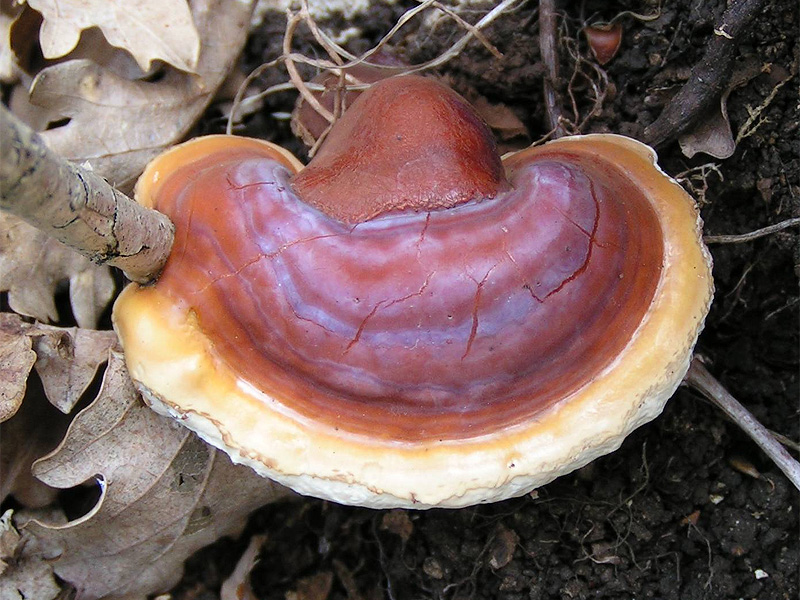
Genome sequence of the model medicinal mushroom Ganoderma lucidum
Ganoderma lucidum is a widely used medicinal macrofungus in traditional Chinese medicine that creates a diverse set of bioactive compounds. Here we report its 43.3-Mb genome, encoding 16,113 predicted genes, obtained using next-generation sequencing and optical mapping approaches. The sequence analysis reveals an impressive array of genes encoding cytochrome P450s (CYPs), transporters and regulatory proteins that cooperate in secondary metabolism. The genome also encodes one of the richest sets of wood degradation enzymes among all of the sequenced basidiomycetes. In all, 24 physical CYP gene clusters are identified. Moreover, 78 CYP genes are coexpressed with lanosterol synthase, and 16 of these show high similarity to fungal CYPs that specifically hydroxylate testosterone, suggesting their possible roles in triterpenoid biosynthesis. The elucidation of the G. lucidum genome makes this organism a potential model system for the study of secondary metabolic pathways and their regulation in medicinal fungi.
:: موضوعات مرتبط:
مقالات آموزشی قارچ
:: برچسبها:
مقاله ۲۰۱۲,
تعیین توالی ژنوم قارچ گنودرما Ganoderma lucidum
ن : دکتر ولی اله مهدیزاده
ت : جمعه نوزدهم خرداد ۱۳۹۱
|
|
پیشبینی کیفیت قارچ دکمه ای به وسیله بیان ژن
Title: Quality Prediction of Agaricus bisporus Mushrooms by Gene Expression
Abstract:
Button mushrooms (Agaricus bisporus) have a limited shelf life. An optimal time of harvest, quick cooling and short transport time to selling points are needed to ensure a good quality. Even if these conditions are optimal, large variations can be seen in quality of different mushroom batches. A cause of this variation in quality is not always evident.
There is, in principle, for each quality grade a suitable market. However, the unpredictable postharvest quality development makes it difficult to match quality and market type. It is estimated that this leads to an economic loss of 5–10% of crop value.
Tools to predict postharvest quality can help to improve matching of quality and market type. One of the possible tools is based on gene expression analysis. A prerequisite for this approach is the availability of molecular indicator genes and a fast method to assess gene expression. We have used dedicated microarrays containing over 700 spotted unique genes to identify genes whose activity is correlated with postharvest quality development. For this, a small-scale microarray hybridisation experiment was used to analyse the expression of these genes in batches of button mushrooms that showed different degree of browning after a cold postharvest period of 7 days. These analyses have generated a list of putative indicator genes. Ongoing research, using real-time polymerase chain reaction will reveal if these putative indicators can be used for quality prediction of mushrooms in the production chain. Although real-time-based gene-expression analysis is a reliable way to assess gene expression, the method is probably too costly and time consuming (taking at least one day) for practical ‘in-chain’ application. We will therefore develop with additional partners new and faster types of sampling, and RNA isolation and detection methods.
:: موضوعات مرتبط:
مقالات آموزشی قارچ
:: برچسبها:
پیشبینی کیفیت قارچ دکمه ای به وسیله بیان ژن
ن : دکتر ولی اله مهدیزاده
ت : جمعه نوزدهم خرداد ۱۳۹۱
|
|
مقاله ۲۰۱۲: استانداردسازی تکنولوژی تولید قارچ دکمه ای سفید در اودیشا با استفاده از روش های بلند مدت کمپوست سازی
Standardization of white button mushroom (Agaricus bisporus) production technologies in odisha following long method of composting.
Abstract
Among the high yielding strains of Agaricus bisporus screened for their adaptability in Odisha conditions, S-11 was found to be superior with 13.43% biological efficiency. Production technologies viz., evaluation of compost formulations and casing materials were standardized. Paddy straw based compost formulation along with FYM+loam soil (1:1) as casing material could yield 12.66 and 13.15% biological efficiency respectively. The experiments were conducted using wheat grain spawn with optimum temperature and humidity.
:: موضوعات مرتبط:
مقالات آموزشی قارچ
:: برچسبها:
مقاله ۲۰۱۲,
استانداردسازی تکنولوژی تولید قارچ دکمه ای سفید در
ن : دکتر ولی اله مهدیزاده
ت : پنجشنبه هجدهم خرداد ۱۳۹۱
|
|
- مقاله 2013: عملکرد نسبی قارچ صدفی فلوریدا بر روی کمپوست های مختلف
:: موضوعات مرتبط:
مقالات آموزشی قارچ
:: برچسبها:
مقاله 2013,
عملکرد نسبی قارچ صدفی فلوریدا بر روی کمپوست های مخ
ن : دکتر ولی اله مهدیزاده
ت : پنجشنبه هجدهم خرداد ۱۳۹۱
|
|
مقاله ۲۰۱۲: مطالعه ای بر روی خصوصیات بافتی و تغییر رنگ قارچ در طی خشک کردن Drying Behaviour and Change in Colour and Textural Properties of Mushroom During DryingMittal, Tarsem Chand / Sharma, Sajeev Rattan / Muker, Jarnail Singh / Gupta, Satish Kumar Button mushroom in the form of
whole and slices were dried using convective hot air drying and
microwave drying methods. Main objectives were to study the drying
behavior and change in colour and textural properties. To get moisture
content of 0.08 g/g, hot air drying at 600C took 463 minutes and 350
minutes for whole and sliced mushroom respectively whereas these times
were just 9 minutes and 8.5 minutes when the microwave oven was run at
60% of its maximum power (1350 W). The convective hot air drying process
can be put into two falling rate periods. The decrease in brightness
(indicated by L-value) in dried samples was about 44% as compared to the
fresh ones. The variation within the differently dried samples was not
much. Hardness was lowest (<2>N) in fresh samples and was highest
(>5.5 N) in microwave dried samples with hot air dried samples in
between. For most of the samples, the springiness were between 0.4 and
0.6 except for hot air dried sliced samples where it was 0.9. Except in
hot air dried samples, the change in cohesiveness was not much.
Adhesiveness was found in fresh mushroom only.. Keywords: mushrooms; drying; colour; textural properties
:: برچسبها:
مقاله ۲۰۱۲,
مطالعه ای بر روی خصوصیات بافتی و تغییر رنگ قارچ در
ن : دکتر ولی اله مهدیزاده
ت : پنجشنبه هجدهم خرداد ۱۳۹۱
|
|
بیماری کپک سبز تریکودرمایی
گروه کپکهای سبز، از جمله برخی از متداولترین وعمدهترین قارچهاست ،گونه های Penicllium و Trichoderma و برخی از گونه های Aspergillus به دلیل رنگ سبز مشخص خود و اسپور هایشان کپکهای سبز نامیده میشوند. این عوامل از قدرت بقای طولانی در شرایط هوای آزمایشگاه ونیز توانائی زیادی در ایجاد آلودگی برخوردارند .
کپک سبز بطور عمده در کمپوستهای غنی از کربوهیدراتها با ازت کم ، رطوبت زیاد و بافت ضعیف بروز میکنند ودر کمپوست پاستوریزه و خاک پوششی استریل شده با حرارت ، میزان بروز کپک های مختلف در مقایسه با کمپوست غیر پاستوریزه کمتر است .
قارچهایی که عموما بر روی مواد ذخیره شده دیده میشوند مانند.spp Aspergillus و Penicllium spp و Absidia ramose .
درگذاشته بیماری کپک سبز تریکودرمایی کم اهمیت تلقی میشد اما امروزه به عنوان یکی از مخربترین وخطر ناکترین بیماری قارچهای خوراکی مطرح است .
این بیماری به عناوین سفیدک تریکودرمایی، سوختگی و لکه تریکودرمایی نیز شناخته میشود.
قارچ تریکودرما قارچی فراگیر است و عموما با حضور در هوا، خاک، ترکیبات گیاهی و سایر بسترها و به عنوان یک انگل قارچ تلقی میشود. اگر چه تاکنون چهار تا شش گونه از قارچ تریکودرما به عنوان عوامل مولد کپک های سبز در کمپوست قارچ خوراکی معرفی شده اند اما گونه T. harzianum به عنوان مهمترین عامل شناخته شده است .
حمله قارچ تریکودرما بصورت کلنیزاسیون(گسترش واشغالکمپوست) سریع کمپوست اسپان زده شده است و زیستگاه عمده این قارچ در کمپوست و خاک پوششی ودر برخی موارد بر روی اسپان قارچ است. تریکودرما در ابتدا میسلیوم سفید رنگی را تولید میکند که به دلیل تشابه رنگ با میسلیوم قارچ خوراکی شاید در آغاز چندان قابل تشخیص نباشد. بخشهای سفید رنگ بتدریج همزمان با شروع اسپورزایی در قارچ، به رنگ سبز تبدیل میشود ( شکلهای ذیل ). این لکه های سبز رنگ به دلیل اسپورزایی عامل بیماری ، از بارزترین علائم بیماری مشاهده شده بر روی کمپوست، خاک پوششی، قفسه ها و ... است . آلودگی های حاصل از این قارچ عموما به صورت هوازاد بوده و آلودگی در روی خاک پوششی از طریق خاک پیت یا هوموس وارد میشود. در قارچ دکمه ای پس از دادن خاک پوششی، اسپورهای موجود در خاک پیت، با حمله به بذر اسپورزایی را آغاز میکنند. بذر آلوده منبع مهمی برای آلودگیهای بعدی است. در مراحل بعد، کپک با گسترش از طریق لایه خاک پوششی به سطح خاک میرسد. اسپورهای این قارچ بسیار کوچک بوده و میتوانند به راحتی قبل و بعد از اسپان زنی کمپوست از طریق مختلفی باعث آلودگی بستر قارچهای خوراکی شوند .
این بیماری اکثرا روی مواد آلی در داخل یا اطراف مناطق کشت قارچ دیده میشود. وجود رطوبت بالا در دراز مدت و رکود جریان هوا و بالا بودن میزان گاز دی اکسید کربن ، شرایط میکرواکولوژی (اکولوژی محیط کوچک) خاک پوششی را برای تقویت رشد این عامل بیماری برهم میزند.
وجود این قارچ ( تریکودرما ) باعث کاهش رشد اسپان، کاهش رشد اندامهای باردهی، کاهش عملکرد محصول، کاهش طول عمر وطول دوره نگهداری قارچ خوراکی میشود.
۱) آلوده شدن کمپوست قارچ صدفی به کپک سبز یا( تریکودرما)

۲) آلوده شدن کمپوست قارچ دکمه ای به کپک سبز یا ( تریکودرما)

راههای کنترل بیماری قارچی تریکودرما یا کپک سبز
1) در موقع تهیه کمپوست قارچ صدفی باید کاه وکلشها را خوب بجوشانید ودر عین جوشانیدن آنها را زیر و رو نموده تا همه جای کلشها خوب ضد عفونی شوند.
2) مدت زمان جوشانیدن کاه وکلشها را زیاد در نظر بگیرید ( حداقل یک ساعت ).
3) استفاده از کیسه های پلاستیکی نو وتازه و دست اول جهت پر نمودن کلشها به داخل آنها
4) عدم استفاده از کاه وکلشها که در موقع ریختن به آبکش جهت آبکشی، به زمین ریخته شده اند ودر بیرون از آبکش قرار گرفتهاند .
5) در موقع پر نمودن کیسه از کاه وکلش ها و تلقیح با اسپان حتما دستها را با آب وصابون شسته ودر صورت امکان با الکل ضد عفونی نمائید.
6) از کاه وکلشهای آلوده و سیاه شده و آب خورده به هیچ عنوان در جهت تهیه کمپوست استفاده نکنید.
7) در صورت امکان سالنها را قبلا با یک سم قارچ کش وحشره کش سمپاشی نمائید .
8) کف سالنهای تولیدکمپوست، باید سیمانکاری شده وسقف آن پوشیده شده باشد و بعد از هر بار کمپوست سازی کاملا نظافت شده ودر صورت امکان سمپاشی گردد.
9) کارکران باید در موقع تهیه کمپوست و تلقیح آن ، مسائل بهداشتی را رعایت نموده وجهت تردد به داخل سالنهای تلقیح بذر وپرورش ، از روپوش و کفش و دستکش جداگانه استفاده نمایند .
10) اسپان قارچ ( بذر مصرفی ) مورد استفاده در تلقیح بایستی کاملا تازه وعاری از هر گونه آلودگی باشد.
11) شستشو و ضد عفونی کردن تمام وسائل کار تلقیح بذر ومحل تلقیح لازم وضروری است .
12) بقایای حاصل از برداشت محصول قبلی باید کاملا جمع آوری و از سالنها خارج وبه محل دوری انتقال داده شوند.
13)کیسههای آلوده را باید به سرعت ودر اسرع وقت وبا احتیاط از سالنها خارج کرده وبه محل دوری انتقال داده ونابود نمود .
سموم جهت مبارزه با آفات وبیماریهای قارچ صدفی : با توجه به اینکه قارچ یک ماده غذایی است و نوع سموم جهت مبارزه واثرات ثانویه آن خیلی حساس ومهم است ومیبایستی با تشخص کارشناس واحد تولیدی تعیین واقدام گردد لذا از ذکر نام سموم در اینجا معذوریم .
مبارزه با آفات و بیماریهای قارچ صدفی : با توجه به اینکه نوع سموم مصرفی و زمان جهت مبارزه واثرات ثانویه آن خیلی حساس است ومیبایستی با تشخص کارشناس واحد تولیدی تعیین واقدام گردد لذا از ذکر توضیحات در رابطه با مبارزه شیمیایی در اینجا معذوریم.
اصول تشخیص قارچهای خوراکی وسمی از یکدیگر یا ( روشهای شناسائی قارچها ) : با توجه به اینکه قارچ یک ماده غذایی است وتشخیص آن از نظر خوراکی وسمی بودن آن یک کار تخصصی و آزمایشگاهی است لذااز ارائه مطالب هر چند تئوری ممکن است خطراتی در پی داشته باشد در اینجا معذوریم .
منبع: قارچ آرارات
09128431824
:: برچسبها:
بیماری کپک سبز تریکودرمایی
ن : دکتر ولی اله مهدیزاده
ت : چهارشنبه هفدهم خرداد ۱۳۹۱
|
|
مقاقه 2009: تاثیر شستشوی قارچ با اسید سیتریک و آنتی اکسیدان ها بر روی رنگ و کیفیت میکروبولوژیکی قارچ ها - قارچ دکمه ای
:: برچسبها:
مقاقه 2009,
تاثیر شستشوی قارچ با اسید سیتریک و آنتی اکسیدان ها
ن : دکتر ولی اله مهدیزاده
ت : چهارشنبه هفدهم خرداد ۱۳۹۱
|
|
مقاله ۲۰۱۳: بیماری ویروسی قارچی به نام Mvx : یک بیماری ویروس قارچ ها در هلند
:: موضوعات مرتبط:
مقالات آموزشی قارچ
:: برچسبها:
مقاله ۲۰۱۳,
بیماری ویروسی قارچی به نام Mvx,
یک بیماری ویروس قارچ ها در هلند
ن : دکتر ولی اله مهدیزاده
ت : چهارشنبه هفدهم خرداد ۱۳۹۱
|
|
سلام.خسته نباشيد
اين عكسهايي هست كه قرار بود بفرستم.قارچ يكي از دوستام خيلي خوب شده و
امروز حدود يك كيلو برداشت كرده ولي ميگفت بقيه اش زرد شده.مال خودم هم
كه مطمئنم كه آبش كم نيست كم كم داره زرد ميشه.اگه بخار محيط كم باشه
ممكنه باعث زردي بشه؟لطفا با توجه به عكسها ما رو بيشتر راهنمايي كنيد برای مشاهده متن کامل به ادامه مطلب مراجعه نمایید (مخصوص اعضای ویژه)
ن : دکتر ولی اله مهدیزاده
ت : سه شنبه شانزدهم خرداد ۱۳۹۱
|
|
سلام لطفا درمورد نحوه و زمان مصرف اسپارگون توضیح دهید و اگر این سم رو برای فروش دارید قیمت و نحوه خرید رو برام ایمیل کنید با تشکر
برای مشاهده متن کامل به ادامه مطلب مراجعه نمایید (مخصوص اعضای ویژه) سلام
من میخواستم این برنامه رو داشته باشم
چه کنم؟ باید عضو ویژه شوید تا بتوانید دانلود کنید و یا برایتان پست شود
:: موضوعات مرتبط:
پرسش و پاسخ
:: برچسبها:
نحوه و زمان مصرف اسپارگون
ن : دکتر ولی اله مهدیزاده
ت : سه شنبه شانزدهم خرداد ۱۳۹۱
|
|
استخدام شد. تماس نگیرید
استخدام یک کارگر ساده مرد برای کارخانه تولید قارچ با حقوق ۷۰۰ هزار تومان در ماه
شرایط ویژه:
مسلمان، نماز خوان، حداقل سن ۱۸ سال - از نظر جسمی کاملا سالم-عدم مصرف سیگار
محل کار: تهران، دماوند، کارخانه قارچ ایران زمین
نوع کار: پر و تخلیه کردن دیگ، آماده سازی کمپوست، نصب و جابجایی، برداشت و بسته بندی قارچ و اکثر کار های فنی مانند تنظیم دما و رطوبت روشن و خاموش کردن تاسیسات، نگهبانی، بنایی و...
ساعت کاری: حضور ۲۴ ساعته در محل کارخانه (ساعت رسمی کار ۸ تا ۵ بعد از ظهر)
حداقل قرارداد ۱ تا ۶ ماه
محل سکونت: در محل کارخانه اتاق با امکانات تلوزیون، یخچال و ...
هزینه نهار شام و صبحانه بر عهده خود کارگر است
شماره تماس قارچ ایران زمین
۰۹۱۲۲۳۸۱۸۲۵
:: موضوعات مرتبط:
استخدام
:: برچسبها:
استخدام کارگر ساده برای کارخانه تولید قارچ با حقوق
ن : دکتر ولی اله مهدیزاده
ت : سه شنبه شانزدهم خرداد ۱۳۹۱
|
|
بررسي تاثير منابع مختلف كربن و ازت بر رشد رويشي قارچ خوراكي شاه صدف [.Pleuroutus eryngii (DC:Fr.) Quel]
علوي عزيزاله,محمدي گل تپه ابراهيم,ارزاني كاظم,پورجم ابراهيم
كربن و ازت از عناصر اصلي و مورد نياز براي رشد ريسههاي قارچ Pleurotus eryngii ميباشد. و نقش عمده در ساخت پروتئين، پروتوپلاسم، اسيدهاي هسته اي، آنزيمها و ديواره سلولي دارند. بدين منظور تاثير منابع مختلف كربن و ازت در محيط كشت پايه بر رشد رويشي دو جدايه از قارچ خوراكي شاه صدف مورد بررسي قرار گرفت.نتايج نشان داد از بين منابع كربن، مالتوز و دكستروز در جدايه 80 و گالاكتوز و دكستروز در جدايه 65 باعث بيشترين رشد ريسه ميگرديد. همچنين از بين منابع ازتي، گلوتاميك اسيد، پپتون آسپارتيك اسيد و ايزولوسين بيشترين تاثير را در رشد رويشي جدايه 80 و آسپاراژين و پپتون باعث بيشترين رشد در جدايه 65 شده است. در اين آزمايش غلظت 22 گرم در ليتر دكستروز و 20 گرم در ليتر مالتوز به ترتيب، باعث بيشترين تاثير در رشد رويشي جدايههاي 80 و 65 گرديد. حداكثر رشد ريسه در ايزوله 80 با 2.5 گرم در ليتر گلوتاميك اسيد و در جدايه 65 با 3 گرم در ليتر آسپاراژين بدست آمد. افزايش غلظت منبع ازته تا حد مطلوب باعث افزايش وزن خشك ريسه قارچ گرديد. ليكن افزايش بيش از اندازه آن وزن خشك ريسه را كاهش داد.
:: موضوعات مرتبط:
مقالات آموزشی قارچ
:: برچسبها:
بررسي تاثير منابع مختلف كربن و ازت بر رشد رويشي قا,
Pleuroutus eryngii,
DC,
Fr
ن : دکتر ولی اله مهدیزاده
ت : سه شنبه شانزدهم خرداد ۱۳۹۱
|
|
من در اهواز هستم می خواهم در تمام فصول قارچ تولید کنم آیا می توانم وهزینه راه اندازی یک سالن 20در 4 متری چقدر خواهد بود لطفا راهنمایی کنید
شما در منطقه ای هستید که دما بالاست از آنجایی که دمای مناسب کلاهک دهی برای قارچ دکمه ای 18 است هزینه تابستان بالا و تعطیل خواهید کرد.
هزینه تقریبی به شرط آماده بودن سازه تولید:
قفسه بندی ۸ تا ۱۰ ملیون
تاسیسات ۵ ملیون
کمپوست: ۱۵ تن با خاک ۷ ملیون
یه سری اطلاعات درباره ی وسیله هایی ک لازم هست . من یه جا 50 متری دارم میخوام تو این محوطه پرورش بدم بنظر شما اصلا اندازه ی جا من ارزش پرورش دادن داره یا نه ؟
به راحتی نمیشه گفت. بستگی به شخص شما داره. اما برای تجهیز ده تا 12 تومن خرج داره. 7 تن کمپوست و خاک هم 3 ملیون.
باسلام و خسته نباشید
من میخوام قارچ دکمه ای پرورش بدم یه سری اطلاعات درباره ی پرورش قارچ از اینترنت گرفتم و خوندم یه سری اشناییت کوچیک با روش پرورش و خوندم از شما جهت پرورش این نوع قارچ یسری کمک میخوام
میخوام یسری اطلاعات در اختیارم بگذارید اگر براتون مقدور هست
:: موضوعات مرتبط:
مشاوره،
پرسش و پاسخ
:: برچسبها:
هزینه راه اندازی یک سالن
ن : دکتر ولی اله مهدیزاده
ت : دوشنبه پانزدهم خرداد ۱۳۹۱
|
|
مقاله ۲۰۱۲: تاثیر تیمار های فوق صوتی و شیمیایی روی قارچ دکمه ای قبل از بسته بندی با اتمسفر تغیر یافته برای افزایش دوام قارچ پس از برداشت
Effects of ultrasound and chemical treatments on white mushroom (Agaricus bisporus) prior to modified atmosphere packaging in extending shelf-life
Abstract
Effects of pre-treatments of white mushrooms prior to modified atmosphere packaging on their physico-chemical and microbiological properties were studied during 12 days of storage at 4 °C. Physico-chemical and microbiological properties of differently treated mushrooms stored at 4 °C were significantly different (P < 0.05) from untreated ones. Washed samples exhibited the smallest respiration rate compared to all other samples. Hydrogen peroxide washing was effective in retaining mushrooms colour change. Furthermore, the diminishments in weight of ultrasound treated samples during storage were significantly (P < 0.05) low in comparison with the other four treatments. The weight loss for ultrasound treated samples were 3.52 %, 4.07 % and 4.59 % for Uca, UH2O2 and UH2O respectively. The lowest PPO activity was observed in Uca, UH2O2 followed by Wca, WH2O2, UH2O and WH2O treatments respectfully. Combined treatments showed lower polyphenol oxidase activity, retained antioxidants, delayed pseudomonas growth and did not cause any decline in tissue firmness during storage time implying that it could extend shelf life of white mushrooms up to 12 days at 4 °C.
لینک در ادامه مطلب
:: موضوعات مرتبط:
مقالات آموزشی قارچ
:: برچسبها:
مقاله ۲۰۱۲,
تاثیر تیمار های فوق صوتی و شیمیایی روی قارچ دکمه ا
ن : دکتر ولی اله مهدیزاده
ت : دوشنبه پانزدهم خرداد ۱۳۹۱
|
|
ن : دکتر ولی اله مهدیزاده
ت : دوشنبه پانزدهم خرداد ۱۳۹۱
|
|
اصلاح مولکولی قارچ صدفی با استفاده از منگنز پروکسیداز
Molecular breeding of white rot fungus Pleurotus ostreatus by homologous expression of its versatile peroxidase MnP2
:: موضوعات مرتبط:
مقالات آموزشی قارچ
:: برچسبها:
اصلاح مولکولی قارچ صدفی با استفاده از منگنز پروکسی
ن : دکتر ولی اله مهدیزاده
ت : دوشنبه پانزدهم خرداد ۱۳۹۱
|
|
|
|
|
|
|
|
|
|
|


